Dental pain has a way of showing up at the worst possible time. A sudden toothache at night, a cracked tooth during dinner, or swelling that appears out of nowhere can quickly turn into a stressful situation. Knowing when to seek an emergency dentist can make a big difference in protecting both your comfort and your long-term oral health.
When a Dental Issue Becomes an Emergency
Not every dental problem needs immediate care, but some situations should be addressed quickly. Severe pain, uncontrolled bleeding, or visible damage to a tooth usually signals that something more serious is going on.
Common situations that may require an emergency dentist include:
- Knocked-out or loose teeth after an accident
- Cracked or broken teeth causing sharp pain
- Swelling in the gums, jaw, or face
- Abscesses or signs of infection
- Persistent tooth pain that doesn’t go away
These issues can worsen quickly if ignored. Infections, for example, can spread beyond the tooth and affect surrounding tissue, which is why timely care matters.
Why Quick Action Makes a Difference
Dental problems rarely improve on their own. A small crack can deepen, an infection can spread, and pain can become more intense over time. Seeking help from an emergency dentist early can often prevent more complex treatment later.
For example, a cracked tooth may sometimes be repaired if treated quickly. If left untreated, it could require extraction. Acting fast not only helps relieve discomfort but can also preserve more of the natural tooth structure.
Managing Pain Before You Get to the Dentist
While waiting to see a professional, there are a few steps that may help reduce discomfort temporarily. These are not solutions, but they can make the situation more manageable.
Helpful steps include:
- Rinsing with warm salt water to keep the area clean
- Using a cold compress on the outside of the cheek to reduce swelling
- Avoiding chewing on the affected side
- Taking over-the-counter pain relief if appropriate
- Keeping the head elevated to reduce pressure
If a tooth has been knocked out, placing it in milk or a tooth preservation solution and getting to an emergency dentist as quickly as possible can sometimes improve the chances of saving it.
Common Causes of Dental Emergencies
Dental emergencies can happen for many reasons. Some are sudden, while others develop over time and eventually reach a breaking point.
Common causes include:
- Untreated cavities that progress into deeper decay
- Sports injuries or accidents
- Biting down on hard foods or objects
- Gum disease weakening tooth support
- Old fillings or crowns failing
Even something that starts as mild sensitivity can turn into a larger issue if it isn’t addressed. Regular dental care helps reduce these risks, but emergencies can still happen unexpectedly.
What to Expect During an Emergency Visit
When you visit an emergency dentist, the first step is usually to assess the problem and identify the source of pain or damage. This may include X-rays or a visual examination.
Once the issue is diagnosed, the dentist will focus on relieving pain and stabilizing the situation. Treatment may involve repairing a damaged tooth, draining an infection, placing a temporary filling, or in some cases, performing an extraction if necessary.
The goal of emergency care is to address immediate concerns and prevent the condition from worsening. Follow-up treatment may be scheduled depending on the severity of the issue.
Why Delaying Treatment Can Make Things Worse
It can be tempting to wait and see if dental pain improves on its own, but this often leads to more serious problems. Infections can spread, swelling can increase, and damage can become more extensive.
Delaying care may also lead to more complex and costly procedures later on. What could have been a simple filling might turn into a root canal or extraction if left too long. Contacting an emergency dentist early helps reduce these risks and keeps treatment as straightforward as possible.
Protecting Your Teeth Moving Forward
While emergencies can’t always be prevented, certain habits can lower the risk. Maintaining good oral hygiene, wearing a mouthguard during sports, and avoiding overly hard foods can all help protect your teeth.
Regular dental checkups also play an important role in catching problems early. Small issues identified during routine visits are often easier to treat before they turn into emergencies.
Staying Prepared for Unexpected Dental Problems
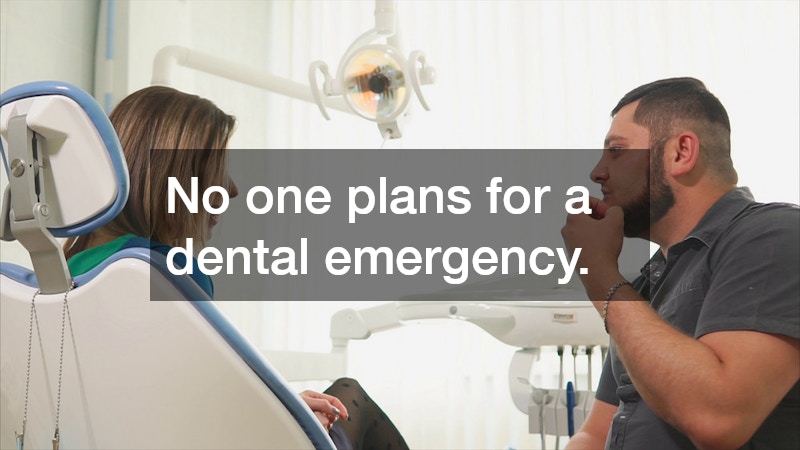
No one plans for a dental emergency, but knowing how to respond can make the situation much easier to handle. Understanding when to contact an emergency dentist and taking quick action can protect your teeth, reduce pain, and prevent further complications.
When dental problems appear suddenly, fast care is often the best way to keep things under control and protect your long-term oral health.