Dental health affects far more than appearance. It plays a role in how people eat, speak, and feel about themselves in everyday life. When teeth become damaged, worn down, or missing, even simple activities like chewing or smiling can feel uncomfortable or self-conscious.
A restorative dentist focuses on repairing and rebuilding teeth to improve both function and appearance. These treatments are designed to restore oral health while helping patients regain confidence in their smiles.
Whether damage comes from decay, injury, or long-term wear, restorative dental care offers solutions that support long-term dental stability.
Understanding What Restorative Care Involves
Restorative dentistry focuses on repairing teeth that are damaged or no longer functioning properly. This can include treatments such as fillings, crowns, bridges, implants, and dentures. Each procedure serves a specific purpose depending on the condition of the teeth and surrounding structures.
Fillings are often used to treat cavities caused by tooth decay. Crowns may be recommended when a tooth is weakened or fractured, helping restore its shape and strength. Bridges and implants are used to replace missing teeth, improving both appearance and chewing function.
A restorative dentist evaluates each patient’s oral health and develops a treatment plan that addresses both immediate concerns and long-term stability. The goal is not only to fix current problems but also to support overall oral health moving forward.
Tooth Damage Often Develops Gradually
Many dental issues begin slowly and worsen over time. Small cavities may go unnoticed until they reach deeper layers of the tooth. Enamel wear from grinding or acidic foods can also weaken teeth without immediate symptoms.
In some cases, patients may delay treatment because discomfort is minimal at first. However, untreated dental issues can progress and lead to more complex problems, including infections or tooth loss.
A restorative dentist helps identify these concerns early through routine exams and diagnostic imaging. Early intervention often leads to simpler and more cost-effective treatment options.
Missing Teeth Affect More Than Appearance
Tooth loss can impact oral health in several ways. Gaps in the mouth may cause surrounding teeth to shift, leading to bite misalignment. This shift can also place additional pressure on remaining teeth, increasing the risk of wear or damage.
Missing teeth can make chewing more difficult, which may influence dietary choices and overall nutrition. Speech patterns may also change depending on the location of the missing teeth.
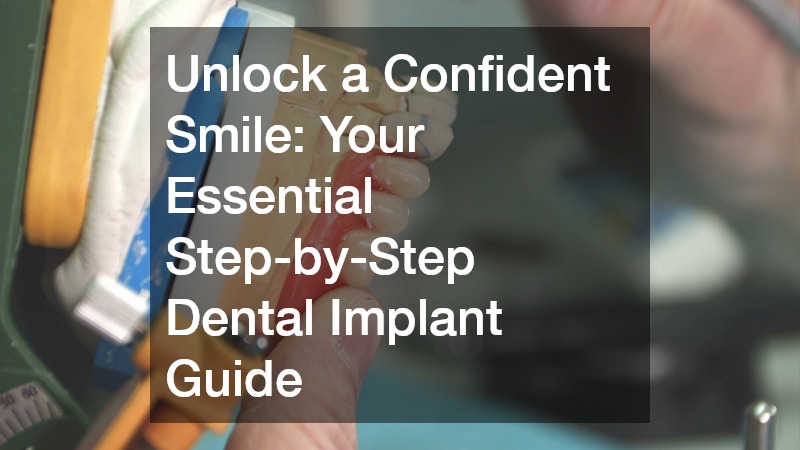
Restorative treatments such as implants or bridges help replace missing teeth and restore balance to the bite. A restorative dentist designs these solutions to blend naturally with existing teeth while improving overall function.
Restoring Function and Comfort
One of the primary goals of restorative dentistry is to restore normal function to the mouth. Patients should be able to chew comfortably, speak clearly, and maintain proper bite alignment after treatment.
Modern dental materials are designed to be both durable and natural-looking. This allows restorations to withstand daily use while maintaining a seamless appearance.
A restorative dentist focuses on ensuring that each treatment not only improves appearance but also supports long-term comfort and usability. Proper alignment and fit are essential for preventing future complications.
The Importance of Personalized Treatment
Every patient’s dental situation is different. Factors such as age, oral hygiene habits, existing dental work, and overall health all influence treatment decisions.
A personalized approach allows dental professionals to choose the most appropriate procedures for each case. Some patients may require a single filling or crown, while others may need more comprehensive treatment plans involving multiple restorations.
A restorative dentist evaluates these needs carefully and creates a plan that aligns with both health goals and lifestyle considerations. Clear communication helps patients understand their options and feel more confident about their care.
Supporting Long-Term Oral Health
Restorative dentistry is not only about repairing damage. It also plays an important role in maintaining long-term oral health. Repaired teeth are easier to clean, function more effectively, and are less likely to develop further complications when properly maintained.
Regular dental visits, good oral hygiene habits, and timely treatment all contribute to lasting results. Patients who follow recommended care plans often experience better long-term outcomes and fewer recurring issues.
A restorative dentist also provides guidance on preventive care to help reduce the risk of future dental problems. This may include advice on brushing techniques, dietary habits, and protective measures such as night guards for teeth grinding.
Restoring Confidence Through Dental Care
Dental health can have a strong impact on self-esteem. Damaged or missing teeth may cause people to feel hesitant when speaking or smiling in social and professional situations.
Restorative treatments help rebuild confidence by improving both appearance and function. Patients often report feeling more comfortable in daily interactions after completing treatment.
A restorative dentist helps patients regain a sense of normalcy by addressing both the physical and emotional aspects of dental health. Restoring a smile can also support overall well-being by encouraging better oral care habits and improved quality of life.
Rebuilding Smiles for the Long Term
Restorative dentistry provides solutions for a wide range of dental concerns, from minor damage to significant tooth loss. By focusing on both function and appearance, these treatments help patients maintain healthier and more confident smiles.
With the guidance of a restorative dentist, individuals can address existing dental issues while protecting their long-term oral health. Thoughtful treatment planning and consistent care make it possible to restore not just teeth, but also comfort and confidence in everyday life.