Dental care is far more diverse than many people realize. While a general checkup with a dentist may be familiar, there’s an entire world of specialties dedicated to specific aspects of oral health. Understanding these specialties can help you make informed decisions, whether you need routine care, corrective treatments, or advanced procedures. This beginner’s guide breaks down the most common dental specialties, highlighting what each one offers and why it might be right for you.
For anyone seeking better oral health or considering specialized treatments, knowing the roles of different dental professionals can make a significant difference. From preventive care to complex restorative procedures, the dental field has evolved to meet the unique needs of patients at every stage of life. By familiarizing yourself with these specialties, you can feel empowered to make the best choices for your smile and overall health.
Finding Quality Care in Your Community
A local dentist often serves as your first point of contact for dental care. These professionals provide general dentistry services, including regular checkups, cleanings, and basic restorative procedures. Establishing a relationship with a local dentist ensures that you receive consistent preventive care and have someone who knows your dental history. Many local dentists also provide advice on lifestyle habits that can impact oral health.
Local dentists can also coordinate referrals to specialists if needed. For example, if a complex procedure arises—like dental implants or orthodontic treatment—a local dentist will guide you to the appropriate expert. Beyond treatment, they offer advice on everyday oral hygiene practices, nutrition, and preventive strategies tailored to your needs. Maintaining a strong partnership with a local dentist often leads to early detection of potential issues, saving time and discomfort later.
Finding a trusted local dentist can involve checking credentials, reading patient reviews, and visiting offices to evaluate comfort and professionalism. Many communities have directories or associations that list licensed practitioners. By choosing the right local dentist, you lay the foundation for lifelong oral health. Building trust and comfort with your dentist also helps reduce anxiety during visits and encourages consistent care.
Straightening Teeth With Modern Orthodontics
For those looking to improve tooth alignment, orthodontic options like Invisalign have become increasingly popular. Invisalign offers a modern alternative to traditional braces, using clear, removable aligners to gradually shift teeth into their proper positions. This method is favored for its discretion and convenience, particularly for adults and teens who want an unobtrusive treatment. Many patients find that the removable nature of the aligners allows for easier oral hygiene compared to traditional braces.
Orthodontists specializing in aligners carefully assess your bite, plan a series of custom trays, and monitor progress over time. While Invisalign is widely effective, it requires commitment to daily wear and routine check-ins. The results, however, often lead to improved oral function and a more confident smile. Proper monitoring ensures the teeth move correctly and efficiently, preventing complications and improving overall results.
Whether you have minor crowding or significant misalignment, Invisalign represents a flexible, patient-friendly approach. Orthodontic specialists provide guidance on treatment length, cost, and long-term maintenance, ensuring that each patient achieves optimal outcomes. Choosing the right orthodontic approach can make the difference between a good and an excellent result, and consultation with a specialist is key.

Maintaining a Healthy, Bright Smile
Regular teeth cleaning is a cornerstone of preventive dental care. These procedures, typically performed by a dental hygienist or general dentist, remove plaque and tartar buildup that brushing and flossing alone cannot handle. Professional cleanings help prevent cavities, gum disease, and other oral health issues. Patients often notice immediate improvements in freshness and smoothness after a cleaning, which encourages consistent oral care.
During a teeth cleaning appointment, dental professionals also check for early signs of decay, inflammation, or other abnormalities. This preventive approach can save patients from more extensive treatments down the line. For many people, teeth cleaning appointments also include polishing and fluoride treatments, which contribute to a brighter and stronger smile. Regular monitoring during cleanings allows for early interventions, keeping minor issues from developing into major problems.
Routine cleanings, recommended every six months, form the backbone of dental wellness. They provide an opportunity to receive personalized advice about oral hygiene techniques, diet, and lifestyle habits that affect dental health. Following this routine ensures that patients maintain their smile health over the long term while reducing the risk of costly interventions.
Replacing Missing Teeth for Long-Term Function
For patients who have lost one or more teeth, dental implants offer a durable and functional solution. Implants consist of a titanium post surgically placed into the jawbone, acting as an artificial tooth root. Once healed, a crown is attached, providing a natural look and stable function. Patients often find that implants improve both eating habits and confidence in social settings.
Dental implants are preferred over dentures or bridges in many cases because they prevent bone loss, restore bite strength, and last for decades with proper care. Implant specialists or oral surgeons evaluate bone density, oral health, and overall health before recommending treatment. A thorough evaluation ensures that the implant integrates properly and functions seamlessly with the surrounding teeth.
Although the process can be lengthy, the results are transformative. Implants improve both the aesthetic appearance and functionality of teeth, allowing patients to eat, speak, and smile with confidence. By choosing dental implants, patients invest in a solution that can last a lifetime with proper maintenance.

Enhancing Your Smile Aesthetically
A cosmetic dentist focuses on the appearance of your smile rather than purely functional dental care. Common cosmetic procedures include teeth whitening, veneers, bonding, and reshaping of teeth. These treatments can address discoloration, chipped teeth, gaps, or misaligned edges. Cosmetic procedures can also complement restorative work, creating a harmonious and attractive smile.
Cosmetic dentists often work closely with patients to understand their aesthetic goals. Digital imaging and mock-ups may be used to visualize results before treatment begins. This specialty blends art and science, ensuring that outcomes look natural while enhancing confidence. The consultation process helps patients feel informed and excited about their treatment options.
While cosmetic dentistry often overlaps with general or restorative care, the main emphasis is on creating an attractive, harmonious smile. Patients seeking cosmetic services usually benefit from a consultation to discuss options, timelines, and expected outcomes tailored to their individual needs. A well-designed cosmetic plan can also improve overall oral health by encouraging proper hygiene and maintenance.
Specialized Surgical Solutions for Complex Cases
An oral surgeon handles complex surgical procedures that go beyond the scope of general dentistry. This specialty includes wisdom tooth extractions, jaw reconstruction, corrective jaw surgery, and treatment of facial trauma. Oral surgeons often collaborate with other dental specialists to provide comprehensive care. These professionals are trained to manage both routine and highly complex cases with precision and safety.
These professionals undergo extensive training to manage both routine and advanced surgical cases safely. Oral surgery can involve local or general anesthesia, depending on the complexity of the procedure. Recovery instructions and follow-up appointments are critical to ensure proper healing. Patients benefit from detailed guidance that minimizes complications and supports optimal outcomes.
Patients are usually referred to an oral surgeon when procedures require specialized skills, precision, and advanced equipment. By seeking care from an oral surgeon, patients gain access to experts who can resolve challenging dental issues effectively and safely. Consulting an oral surgeon early can prevent further complications and improve overall oral health results.
Repairing and Strengthening Damaged Teeth
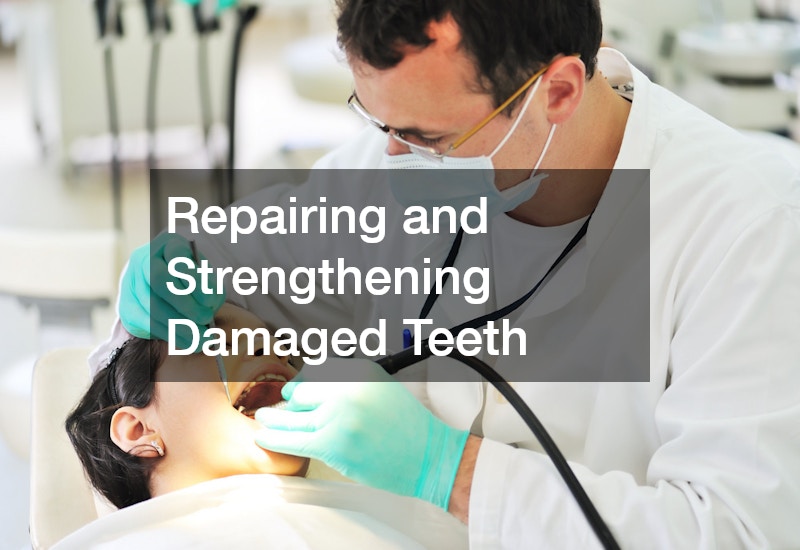
Restorative dentistry focuses on repairing teeth that are damaged by decay, injury, or wear. Treatments in this specialty include fillings, crowns, bridges, and root canals. The goal is to restore functionality, prevent further damage, and maintain overall oral health. Advanced materials used in restorative procedures often mimic the natural look and strength of teeth.
Restorative dentists evaluate the extent of damage and determine the most appropriate solution for each patient. Advanced techniques and materials help ensure that repairs are durable, natural-looking, and long-lasting. Patients often regain normal chewing ability and comfort after treatment. Restorative care can also prevent secondary issues, such as misalignment or jaw pain caused by missing or damaged teeth.
By restoring damaged teeth, patients can regain normal chewing ability, prevent the shifting of surrounding teeth, and protect jaw alignment. Restorative dentistry often intersects with cosmetic and preventive care, providing a comprehensive approach to maintaining oral health. Regular checkups and maintenance are essential to prolonging the benefits of restorative procedures.
Custom Solutions for Missing Teeth
For patients who have lost several or all teeth, dentures provide a practical solution for restoring oral function and appearance. Dentures can be partial or full and are designed to fit comfortably in the mouth while enabling chewing, speaking, and smiling. Properly fitted dentures help maintain facial structure and prevent sagging.
Modern dentures are more natural-looking and comfortable than ever. A dentist specializing in prosthetics evaluates jaw shape, bite, and oral tissues to ensure a proper fit. Regular adjustments and care are necessary to maintain comfort and prevent complications. Patients often find that properly cared-for dentures allow them to enjoy their favorite foods and speak confidently.
Dentures not only improve functionality but also enhance facial structure, preventing the sunken appearance that often accompanies tooth loss. They remain an important option for patients who may not be candidates for dental implants or who prefer a non-surgical approach. Dentures also provide a cost-effective alternative to more invasive treatments while supporting long-term oral health.
Ensuring Healthy Smiles for Children
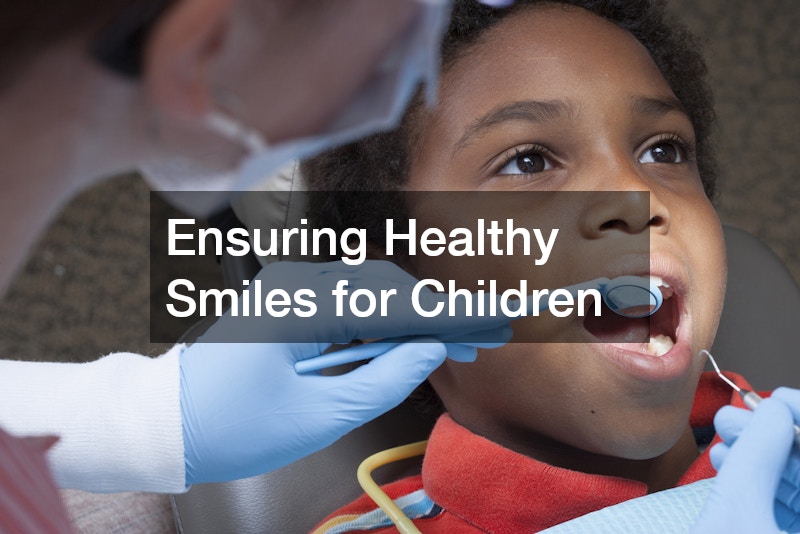
A local pediatric dentist specializes in oral health care for children from infancy through adolescence. These specialists focus on preventive care, early detection of dental issues, and education for both children and parents. Pediatric dentists are trained to manage behavior, anxiety, and unique developmental needs in young patients. Early positive dental experiences help children develop healthy habits that last a lifetime.
Regular visits to a pediatric dentist help prevent cavities, monitor the development of teeth and jaws, and teach proper oral hygiene habits. Early intervention can address issues like misaligned bites or enamel problems before they become more serious. Parents also receive guidance on nutrition, fluoride use, and oral care routines for children. A pediatric dentist ensures that children feel comfortable and supported throughout each visit.
Creating a positive dental experience in childhood sets the foundation for lifelong oral health. Pediatric dentists also provide guidance on nutrition, fluoride use, and habits like thumb-sucking or pacifier use that can impact dental development. By fostering healthy habits early, children are more likely to maintain strong teeth and gums into adulthood.
A Whole-Body Approach to Oral Health
Holistic dentistry takes a comprehensive approach to oral health, considering the impact of dental treatments on overall physical well-being. This specialty often emphasizes natural materials, minimally invasive procedures, and preventive care that supports the body as a whole. Holistic dentists may also incorporate lifestyle and dietary advice to enhance long-term health outcomes.
Holistic dentists may integrate alternative therapies, focus on nutrition, and carefully evaluate the use of metals or chemicals in dental materials. The philosophy behind holistic dentistry is that oral health is closely connected to systemic health, including digestion, immunity, and even cardiovascular function. Patients often appreciate this integrated perspective when making treatment decisions.
Patients seeking holistic care often prioritize natural solutions, overall wellness, and personalized treatment plans. By addressing the mouth-body connection, holistic dentistry provides a unique perspective on maintaining health beyond traditional dental care. Choosing a holistic approach can lead to improvements in both oral and general well-being.
Each specialty, from general care to surgical procedures, addresses specific needs and offers unique benefits. Whether you’re seeking preventive care, aesthetic improvements, or complex restorative treatments, knowing which professional to consult ensures you receive the best possible outcomes. Familiarity with these specialties can also make scheduling care and communicating with providers much easier.
Building a relationship with the right dental professionals creates a foundation for lifelong oral wellness. By exploring the options outlined in this guide, you can approach dental care confidently, knowing that specialized support is available for every stage of life and every type of dental concern. Taking an active role in understanding your dental care options empowers you to maintain a healthy, beautiful smile.
Maintaining oral health is more than routine visits; it’s about understanding your options and choosing the right specialty for your unique needs. From children’s care with a local pediatric dentist to advanced restorative work with dental implants or dentures, specialized dental care ensures your smile remains healthy, functional, and beautiful for years to come.