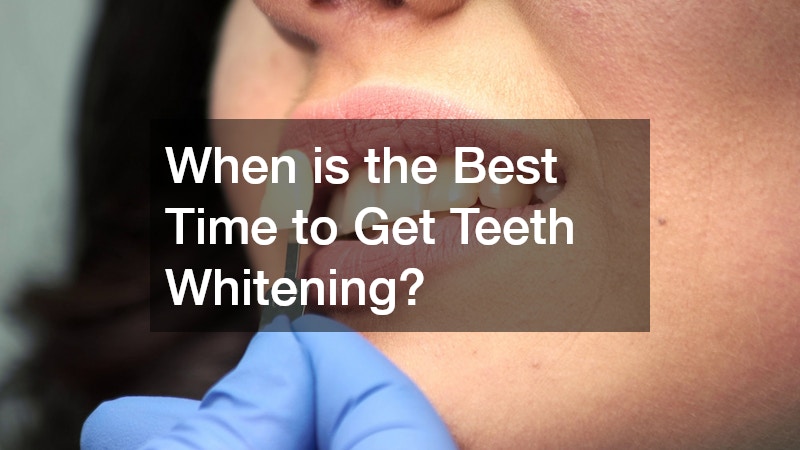
A brighter smile can boost your confidence, enhance your appearance, and leave a lasting impression. But many people wonder whether there’s an ideal moment to schedule teeth whitening. While this cosmetic treatment is popular year-round, timing can make a difference in both results and convenience. Understanding when to whiten your teeth depends on your lifestyle, oral health, and personal goals.
Below, we explore the best situations and seasons to consider teeth whitening and how to ensure you get the most out of your treatment.
Before a Big Event or Special Occasion
Weddings, Graduations, and Celebrations
One of the most common times people choose teeth whitening is before a major life event. Weddings, reunions, milestone birthdays, and graduations often come with plenty of photos and face-to-face interactions. A brighter smile can help you feel more confident and camera-ready.
If you’re planning whitening before an event, it’s best to schedule your appointment at least two to three weeks in advance. This allows time for any mild sensitivity to subside and ensures your results look natural and even. If touch-ups are needed, you’ll have flexibility before the big day arrives.
Professional Photos and Public Appearances
Headshots, branding sessions, or speaking engagements are also great reasons to consider whitening. Stains from coffee, tea, or wine can dull your smile over time, and professional lighting tends to highlight discoloration. Whitening shortly before a scheduled photo session can help your smile appear vibrant and polished.
At the Start of a New Season
Spring and Summer Refresh
Many people associate spring and summer with fresh starts. As the weather warms up, social calendars tend to fill with vacations, outdoor gatherings, and special events. Scheduling teeth whitening during this time can give you a refreshed look that matches the energy of the season.
If you know you’ll be attending multiple events, whitening at the beginning of the season can help you maintain a bright smile throughout months of activities. You can then follow up with at-home maintenance or occasional touch-ups as recommended by your dental provider.
Back-to-School and Year-End Moments
Late summer and early fall are also popular times for cosmetic treatments. Students heading back to school or professionals entering a new role may want to make a strong first impression. Whitening before a new academic year or job transition can offer a subtle but noticeable confidence boost.
Similarly, the holiday season is another common time for whitening. Family gatherings and photos make many people more aware of their smiles, so scheduling treatment in early fall can help you prepare for end-of-year celebrations.
After a Dental Cleaning
Why a Cleaning Comes First
One of the best times to get teeth whitening is immediately after a professional dental cleaning. During a cleaning, plaque and surface stains are removed, creating a smooth surface for whitening products to work more effectively.
When teeth are free of buildup, whitening agents can penetrate more evenly, leading to consistent results. If it has been more than six months since your last cleaning, your dentist may recommend scheduling one before whitening.
Healthier Teeth, Better Results
Whitening works best on healthy teeth and gums. If you have untreated cavities, gum inflammation, or other dental concerns, these should be addressed before cosmetic treatment. Whitening over compromised teeth can cause discomfort and may not produce optimal results.
By ensuring your oral health is in good shape first, you create the best foundation for a brighter smile.
When Stains Become Noticeable
Coffee, Tea, and Lifestyle Factors
Over time, everyday habits can lead to gradual discoloration. Coffee, tea, red wine, and certain foods can stain enamel. Tobacco use is another common cause of yellowing or darkening teeth.
If you notice your smile looking dull or less vibrant than it once did, it may be a good time to consider teeth whitening. You don’t have to wait for a special event—sometimes simply wanting to refresh your appearance is reason enough.
Natural Aging
As we age, enamel thins and the underlying dentin becomes more visible. This natural process can make teeth appear darker or more yellow. Whitening treatments can help counteract these effects and restore a more youthful look.
If aging is the primary cause of discoloration, your dentist can recommend the most effective type of whitening for deeper stains.
When You Can Commit to Aftercare
Avoiding Stain-Causing Foods and Drinks
After teeth whitening, your enamel can be temporarily more susceptible to staining. Many dental professionals recommend avoiding dark-colored foods and beverages for at least 24 to 48 hours after treatment.
Choosing a time when you can reasonably limit coffee, red wine, berries, and similar items will help preserve your results. For example, scheduling whitening before a weekend at home rather than before a wine-tasting event may be more practical.
Managing Sensitivity
Some individuals experience mild tooth sensitivity following whitening. This is typically temporary, but it’s still wise to choose a time when you can manage any minor discomfort. If you have an especially busy or stressful week ahead, it may be better to wait until your schedule is lighter.
Planning around your calendar ensures that any short-term sensitivity doesn’t interfere with work or personal obligations.
Professional Whitening Versus At-Home Options
In-Office Treatments
Professional in-office whitening delivers faster and more dramatic results compared to over-the-counter products. If you’re on a tight timeline, such as preparing for an upcoming event, in-office treatment may be the best choice.
Your dentist can also customize the strength of the whitening agent and monitor your comfort throughout the process, making it a safe and efficient option.
Take-Home Trays and Gradual Whitening
If you prefer a more gradual approach, custom take-home trays allow you to whiten over a period of days or weeks. This option offers flexibility and can be ideal if you’re planning well in advance.
Discussing your goals and timeline with your dental provider will help determine which method aligns best with your needs.
The Right Time Is Personal
There isn’t a single “perfect” moment that applies to everyone. The best time for teeth whitening depends on your lifestyle, oral health, and upcoming plans. Whether you’re preparing for a special event, refreshing your look for a new season, or simply responding to noticeable staining, thoughtful timing can enhance your results.
Consulting with your dentist is the most reliable way to decide when to schedule treatment. They can evaluate your oral health, discuss your goals, and recommend a plan that ensures your smile looks its brightest when it matters most.

Related Posts

Unlock a Confident Smile Your Essential Step-by-Step Dental Implant Guide
Dental implants have emerged as a leading solution for those eager to restore their smiles and enhance their oral health.…
Dental implants have emerged as a leading solution for those eager to restore their smiles and enhance their oral health.…
Dental Implants in Raleigh A Permanent Solution for Missing Teeth
Missing teeth can affect more than just how your smile looks. They can make eating uncomfortable, impact speech, and slowly…
Missing teeth can affect more than just how your smile looks. They can make eating uncomfortable, impact speech, and slowly…
How Invisalign Works Step-by-Step from Consultation to Results
How Invisalign Works: Step-by-Step from Consultation to Results Invisalign has transformed the world of orthodontics, offering an innovative alternative to…
How Invisalign Works: Step-by-Step from Consultation to Results Invisalign has transformed the world of orthodontics, offering an innovative alternative to…