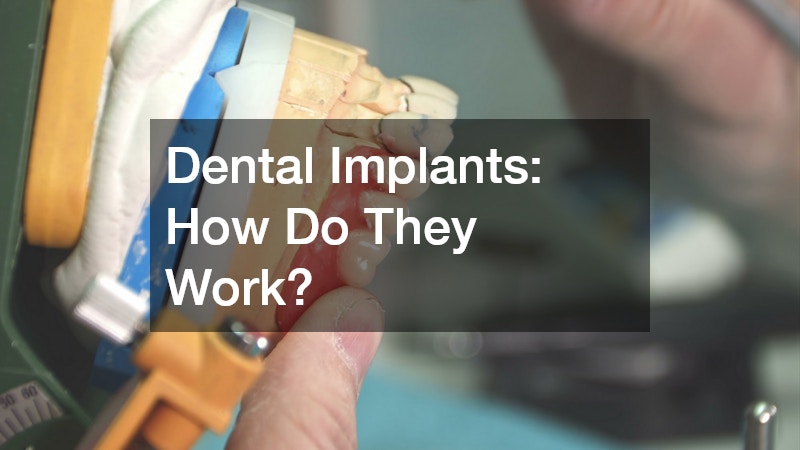
Understanding what a root canal procedure involves, particularly in Orland Park, IL, can help ease anxiety and prepare you for what to expect. This article will address the most common questions and concerns.
What is a Root Canal?
The Basics of Root Canal Therapy
A root canal is a dental procedure aimed at treating the inside of a tooth that has become infected or decayed. It becomes necessary when the pulp, the soft tissue inside the root canal, becomes inflamed or infected.
This inflammation can be caused by deep decay, repeated dental procedures, or a crack or chip in the tooth. If left untreated, an infected tooth can cause severe pain or lead to an abscess. In severe cases, the infection can even affect the surrounding bone structure.
Common symptoms that indicate the need for a root canal include severe toothache, prolonged sensitivity to hot or cold, and swelling or tenderness in the gum area. These symptoms occur due to the pressure and inflammation within the tooth and nearby tissues. A thorough dental examination, often including X-rays, is necessary to diagnose the problem accurately. Dentists compare the root canal to other procedures like fillings, but acknowledge its necessity for saving the tooth. By undergoing a root canal, the tooth’s natural function can often be preserved for a lifetime.
In comparison to other dental procedures, a root canal is more intricate because it deals directly with the tooth’s nerve and pulp. While fillings are used for minor cavities, a root canal is necessary when the decay extends into the pulp. Unlike simple extractions where the tooth is removed, root canal therapy aims to save the tooth. This not only helps maintain the natural appearance but also ensures that the adjacent teeth remain stable. Retaining the natural tooth with a root canal often prevents more complex dental issues in the future.
Why You Might Need a Root Canal in Orland Park, IL
There are several reasons why you might seek a root canal in Orland Park, IL, including deep decay, past dental procedures, or trauma to the tooth. These factors often lead to inflammation or infection of the pulp, necessitating a consult with a specialist in root canal therapy. In Orland Park, common oral health challenges include high rates of tooth decay, often due to dietary habits and lifestyle choices. Addressing these issues early with a root canal can prevent more severe complications and tooth loss. Timely treatment also helps to restore affected teeth to complete function, alleviating pain and discomfort.
Specific oral health issues prevalent in Orland Park can contribute to the need for a root canal. For instance, the presence of geographic factors, like water mineral content, can affect tooth health. Environmental influences and dietary choices, like high sugar consumption, increase decay risk. The prevalence of these conditions makes it essential for residents of Orland Park to maintain regular dental visits and consider preventive measures. Understanding these local factors helps in preparing for potential dental procedures, including the decision to proceed with a root canal.
The benefits of timely root canal treatment cannot be understated. They prevent the spread of infection to surrounding teeth and jawbone, which could result in more extensive interventions. Additionally, root canals help maintain the aesthetics and function of the smile, which is significant for an individual’s social and psychological well-being. By opting for a root canal, patients not only enhance their oral health but also preserve their overall health. Furthermore, dental insurance in Orland Park often covers a significant portion of the procedure cost, making it a financially viable option.
How to Prepare for Your Root Canal in Orland Park, IL
Pre-Procedure Checklist
Before undergoing a root canal in Orland Park, IL, patients should fulfill a series of preparatory steps. The first step involves an in-depth consultation where the dentist evaluates oral health and discusses treatment options. Understanding all risks associated with the procedure is key to making informed decisions. Preparing a list of questions or concerns can help clarify doubts during consultations. Adhering to any dietary recommendations given by the dentist is beneficial, such as avoiding acidic or hard foods before the procedure.
The pre-procedure environment also plays a significant role in a patient’s readiness. Ensuring rest and relaxation the night before can improve mental readiness and ease anxieties. In Orland Park, patients can benefit from familiarizing themselves with the route and logistics of reaching their dental appointment. Additionally, arranging for transportation might aid those expecting extensive procedures that might leave them feeling fatigued. Bringing a friend or family member can help in logistical planning or just moral support.
Understanding the risks associated with a root canal and being prepared with questions can empower patients. Dentists in Orland Park often appreciate proactive patients who are informed about the procedure nuances. Additionally, having knowledge about specific aftercare requirements can prevent confusion post-procedure. It is crucial to understand the checks and limitations, focusing especially on early symptoms of complications. Familiarizing with reviews or other patient experiences in Orland Park might also provide valuable insight and reassurance.
What to Expect on the Day of the Procedure
On the day of your root canal in Orland Park, IL, anticipating the schedule and routine can bring peace of mind. It’s common for patients to start with a brief consultation or review of health history before any procedure. This checks any allergies or medication adjustments needed. Understanding that modern root canal techniques have significantly reduced recuperation time can ease apprehensions. Awareness that the expected duration and recovery precede favorable outcomes boosts confidence during the initial procedure stages.
The procedure duration typically ranges between 60 to 90 minutes, during which various stages are completed. Individual appointments may vary based on the complexity of the case and tooth location. The dentist will periodically update the patient on the progress and ensure comfort throughout. Many patients describe this phase as worry-free due to guidance and support from dental assistants and the reassuring presence of the dentist. Preparation and understanding minimize interruptions and keep the patient relaxed.
Immediately following the procedure, guidance is provided for specific post-op care and expectations. Initially, numbness from local anesthesia may persist and requires care with eating and drinking. Patients will receive thorough aftercare instructions tailored to enhance comfort and healing. Awareness that minimal discomfort is normal and temporary reassures those unfamiliar with the procedure. Follow-ups ensure that healing is proceeding correctly and detect any complications early, ensuring swift resolution.
A root canal procedure, when performed by a knowledgeable dentist in Orland Park, IL, can save your natural tooth and relieve pain. With the right preparation and post-care, you can ensure a smooth process and maintain your dental health.